
Building Resilience Through Self-Awareness: A Journey to Your Best Self
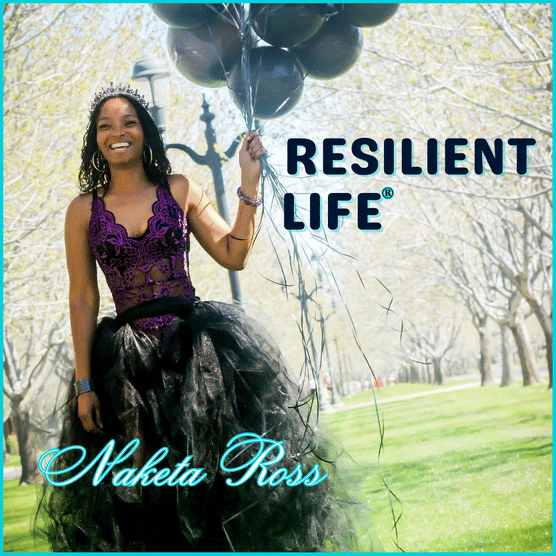
Hey, Resilientites! I’m Naketa Ross, and I’m thrilled to welcome you to the Resilient Life blog, where we dive deep into the transformative power of resilience. Whether you're here for the first time or you've been with us for a while, you're in the right place to discover the tools and insights that will help you build a stronger, more resilient life. My purpose is simple: to guide you toward living your best life by empowering you with the strategies and mindset shifts needed to connect with and enhance your resilience. Let’s embark on this journey together—because you’re stronger than you think, and your best life is within reach. I want to explore a topic that is often overlooked but is crucial to personal growth and resilience: self-awareness.
The Power of Self-Awareness
Self-awareness isn’t just a buzzword; it’s a powerful tool in our resilience-building arsenal. It allows us to truly understand who we are, how we respond to challenges, and how we can use that understanding to bounce back stronger from life's inevitable setbacks.
Many of us operate on autopilot, reacting to stressors without fully understanding our triggers, traumas, and emotions. We often go through the motions without pausing to reflect on our thoughts, actions, and feelings. This lack of self-awareness can lead to burnout, ineffective problem-solving, and strained relationships. But when we cultivate self-awareness, we unlock the ability to adapt and thrive, even in the face of adversity.
What is Self-Awareness?
Self-awareness is more than just knowing yourself; it’s about understanding your thoughts, feelings, and behaviors and how they influence your interactions with the world. It involves aligning with your inner self—recognizing your strengths, weaknesses, values, and triggers. This heightened awareness empowers you to manage your emotions and reactions, allowing you to respond rather than react to life’s challenges.
Why is Self-Awareness Important?
Without self-awareness, our ability to navigate life's ups and downs is significantly hindered. When we're not mindful of our emotional and psychological state, we struggle to cope with setbacks, failures, and unexpected changes. Self-awareness, however, provides a foundation for resilience. It helps us understand our internal landscape, allowing us to make conscious choices that align with our values and goals, even in the face of adversity.
How to Develop Self-Awareness
Developing self-awareness is a continuous process, but the rewards are well worth the effort. Here are some practical steps you can take:
1. Reflection and Mindfulness: Set aside time each day to check in with yourself. Slow down and be present in the moment, allowing yourself to tune in to your thoughts and emotions. Mindfulness practices, such as meditation, can help you observe your thoughts without judgment, leading to greater self-awareness.
2. Journaling: Writing down your thoughts and feelings can provide deep insights into your inner world. Over time, patterns will emerge, highlighting your strengths and areas for improvement. Journaling is a powerful tool for self-reflection and growth.
3. Seek Feedback: Sometimes, we're too close to our experiences to see them clearly. Trusted friends, family members, or colleagues can offer valuable perspectives on your behavior and reactions. This feedback can reveal blind spots and help you see yourself more objectively.
4. Acceptance and Responsibility: The key moment in developing self-awareness comes when you shift from being on autopilot to accepting and embracing who you are. This means acknowledging your flaws and imperfections without judgment and taking responsibility for your actions. This level of self-awareness enables you to make conscious choices and take control of your life.
The Shift from Reaction to Response
As you develop self-awareness, you'll start to recognize your triggers and habitual responses. For example, if you notice that you tend to shut down during conflicts, you can take proactive steps to remain open and communicative. This shift from reacting to responding is where resilience is truly built. By making conscious choices that align with your values and goals, you become more equipped to handle life's challenges with grace and strength.
Final Thoughts: Resilience Needs Community
Now, it’s your turn to take action. Start by embracing your imperfections and working toward self-acceptance. Begin a journaling practice, engage in mindfulness exercises, and seek feedback from those you trust. Remember, increasing your resilience through self-awareness is a lifelong journey, but every step you take brings you closer to becoming the resilient individual you aspire to be.
Resilientites, thank you for joining me on this journey. This blog post provides a glimpse into each episode, offering inspiration, actionable insights and practical advice on incorporating resilience into your daily life. Whether you're a regular listener or new to the podcast, I hope this message resonates with you and helps you live your best life. Please spread the love by liking, subscribing, and sharing (on social media) with someone who might need a little resilience boost. Follow “Resilient Life®” on your favorite podcast platform and YouTube at ResilientLifePodcastTM.
Watch the full episode here.